


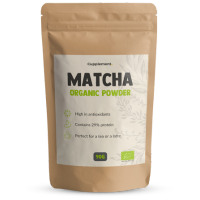


Matcha Powder Ceremonial Grade
Matcha Ceremonial Grade Powder is a premium green tea powder made from carefully selected young tea leaves. The powder is slowly ground between granite millstones, preserving its delicate flavor, vibrant green color, and natural nutrients.
🍵 100% ceremonial grade, perfect for traditional preparations.
🌿 Natural and pure – no additives, just pure ground tea leaves.
💚 Rich in antioxidants – supports energy, focus and a healthy lifestyle.
🌱 Suitable for vegetarians and vegans – plant-based and organic.
Cupplement is now GOYU. Same quality, new name.
ChooseType:
Wählen Sie Menge:












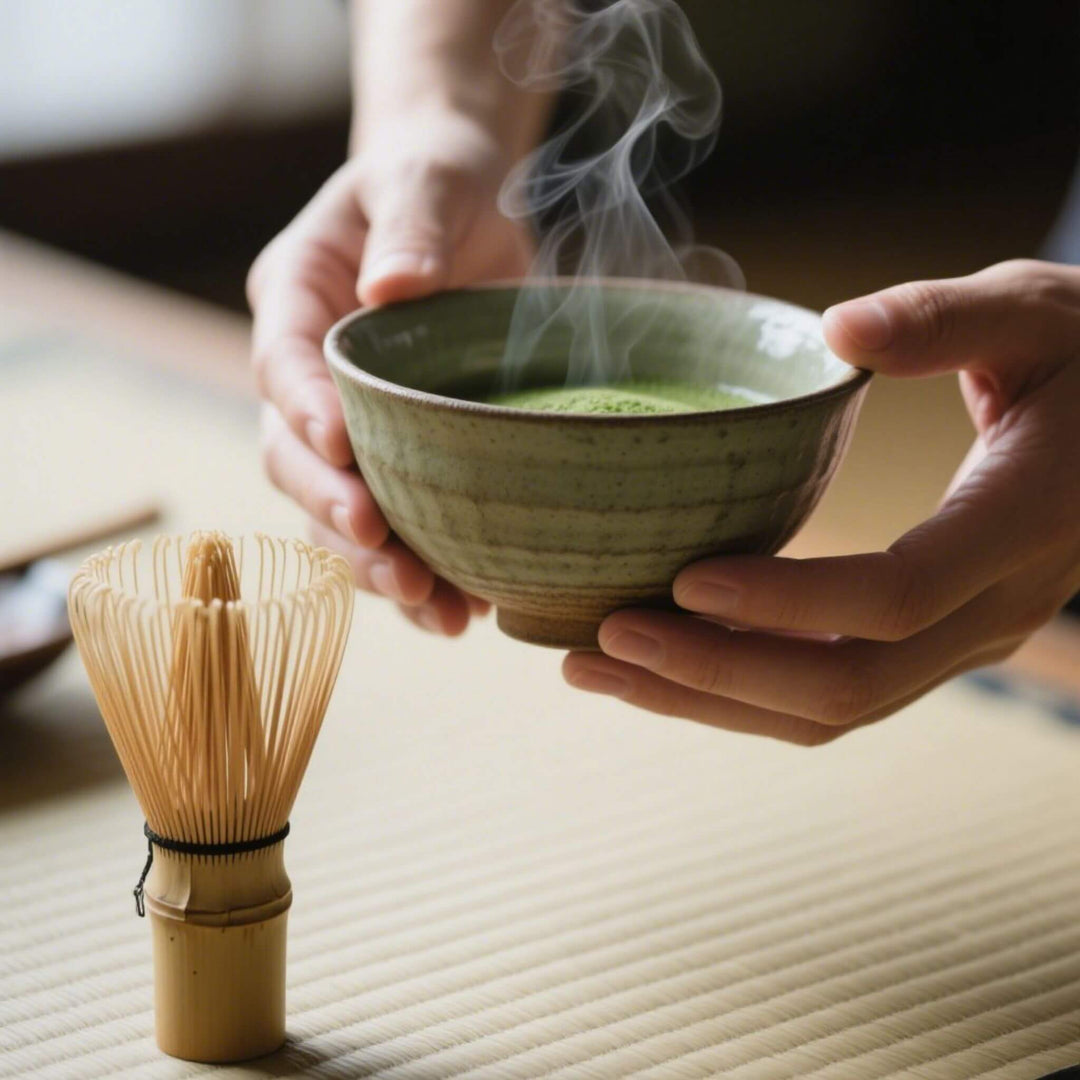
Benefit of this Ceremonial Grade Matcha
Our ceremonial matcha offers an unparalleled premium flavor. Made from the finest, hand-picked tea leaves from Japan, our matcha is distinguished by its vibrant green color and delicate umami profile.

Alternative to coffee
Matcha is considered an alternative to coffee due to the presence of caffeine, albeit in smaller amounts, which supports your feeling of energy and alertness.
Resealable packaging
This Matcha Ceremonial comes in a durable resealable packaging.
The difference between all Matchas
1. Matcha Original:
Matcha Original is basic quality, made from older leaves or leaves from later harvests. These leaves are less delicate and contain slightly fewer amino acids, resulting in a milder flavor, though sometimes a bit more bitter. The color is less vibrant green than Premium or Ceremonial Matcha.
2. Matcha Premium:
Premium Matcha is of a higher quality and is made from the young, top leaves of the first harvest. These leaves are shade-grown for several weeks, making them softer, sweeter, and richer in nutrients. The color is bright green, and the flavor is mild and aromatic.
3. Matcha Ceremonial:
Ceremonial matcha is the highest quality, specifically for traditional Japanese tea ceremonies. It is made from the youngest, most delicate leaves of the first harvest, which have been carefully shaded for several weeks. The flavor is very smooth, slightly sweet, and without bitterness. The color is a bright emerald green, a sign of the most careful cultivation and processing.
The benefits of Matcha Ceremonial
- Highest Quality: Ceremonial Grade Matcha Tenno is the highest quality level of green tea powder, specially certified
- Organically Grown: Our matcha comes from certified organic tea gardens and is cultivated with care, without synthetic pesticides or fertilizers.
- Versatile uses: Matcha powder is versatile and can be used in traditional tea, lattes, smoothies, baked goods, and even ice cream. It can also be added to breakfast dishes, salad dressings, and cocktails for a unique flavor.
Health Benefits
Matcha has become a staple in trendy coffee shops in recent years, but it's also become increasingly popular as a supplement. This is because matcha is known as a superfood, and for good reason. Matcha powder contains essential nutrients such as antioxidants, amino acids (like L-theanine), calcium, iron, potassium, and natural caffeine. Traditionally, matcha is used to support alertness, and many people experience a natural energy boost from it.
Our promises

Our packaging contains less plastic than traditional packaging.
All our products are made in Europe with pure ingredients of international origin.
Are you not satisfied with your purchase? Then you will always get your money back within 30 days.
Ordered on weekdays = next day in your mailbox. Always free shipping from €39.

Frequently Asked Questions
What is ceremonial grade matcha?
Ceremonial grade matcha is the highest quality matcha available, often used in traditional Japanese tea ceremonies. It is characterized by a bright green color, fine texture and subtle sweetness.
How is ceremonial quality matcha produced?
Ceremonial grade matcha is produced by picking young tea leaves, steaming them, drying them and then grinding them into a fine powder in traditional stone mills.
What is the difference between ceremonial and culinary grade matcha?
The main difference is the quality of the leaves and the taste. Ceremonial grade matcha is made from young, delicate tea leaves and has a refined, sweet taste, while culinary matcha can be made from older leaves and used for cooking and baking.
Can ceremonial grade matcha be used for cooking?
Although ceremonial grade matcha is best appreciated for its flavor and texture when drinking as a tea, it can also be used in cooking and baking.
What is the difference between matcha and regular green tea?
Matcha and regular green tea are both made from Camellia sinensis leaves, but they are processed in different ways. Matcha leaves are steamed, dried and ground into a fine powder, while regular green tea leaves are steamed, rolled and dried.
Can ceremonial grade matcha contain caffeine?
Yes, ceremonial grade matcha contains caffeine, but the amount can vary depending on factors such as the amount of matcha powder used and how long it has been whipped. In general, however, matcha contains less caffeine than coffee but more than regular green tea.
Why is it called ceremonial matcha?
It's called ceremonial matcha because it's used in the traditional Japanese tea ceremony. It uses the highest quality young leaves, finely ground into a powder with a bright green color and a mild, refined flavor.
How do I prepare the perfect cup of ceremonial matcha?
Strain 1–2 teaspoons of matcha into a bowl, add a little hot water (about 70–80°C) and whisk with a bamboo whisk (chasen) until a slightly frothy, smooth drink is formed.
Can I also use ceremonial matcha in a latte?
Yes, that's possible, but ceremonial matcha is best enjoyed neat to fully experience its delicate flavor. In a latte, the flavor remains smooth, but the subtle nuances may not be as pronounced.
How long does ceremonial grade matcha stay fresh?
To preserve the freshness and color of matcha, store it in an airtight container in a cool, dark place. For ceremonial-grade matcha, the refrigerator can be a good option, especially if you want to keep it longer. However, avoid moisture and odors from other products. It's recommended to use matcha within 3–6 months of opening for best flavor and quality.
What does matcha taste like?
Matcha has a unique, rich flavor that is often described as slightly bitter with a sweet, umami undertone. The flavor can vary depending on the quality of the matcha, with higher quality often having a milder, sweeter flavor.
How long does matcha stay fresh?
To maintain the freshness and quality of matcha, it is best to store it in a cool, dry place. This allows the powder to retain its taste and nutrients for several months to a year.
Does matcha contain caffeine?
Yes, matcha contains caffeine, but its effects differ from those of coffee. Matcha also contains the amino acid L-theanine, which can help soften the effects of caffeine and promote a calming focus.
Can I use matcha for baking?
Yes, matcha can be used in a variety of recipes, including smoothies, baked goods, ice cream, and even savory dishes. Adding matcha to recipes often gives them a subtle green tea flavor and a beautiful green color.
Can everyone drink matcha?
In general, matcha is safe for most people to consume, but it contains caffeine, so people who are sensitive to caffeine should take it into account. However, pregnant women and people with certain health conditions should exercise caution and consult their doctor if necessary before consuming matcha.
What is matcha good for?
Matcha is valued by many for its versatility and rich nutritional profile. It is often used to create a moment of calm and focus, or as a flavorful addition to various dishes such as smoothies, baked goods, and the popular matcha latte.
How do you make matcha?
Mix matcha with hot (but not boiling) water (approximately 70–80°C) and froth with a whisk or electric frother. You can then add milk for a latte.
What temperature do I need?
Between 70–80°C . Boiling water makes matcha bitter.
How much matcha do I use per cup?
What is the best way to store matcha?
Store in an airtight, dark, dry, and cool place. Keep out of direct sunlight. It can be refrigerated, but only in an airtight container.
Can I drink matcha during pregnancy?
Yes, often, but pay attention to your total caffeine intake . Always consult your doctor if in doubt.
Can I also make matcha cold?
Yes! For iced matcha, dissolve the powder in a little warm water, then top up with cold water or milk and ice.
Which milk goes best with matcha?
Oat milk is a favorite for its creaminess. Almond, coconut, or regular milk also work well.
How much matcha can I drink per day?
One to two cups a day is ideal. More is fine, but watch your total caffeine intake.
What equipment do I need?
Not mandatory, but useful:
- whisk / electric frother
- small bowl
- scoop
You can even stir matcha with a spoon, although it will then be less frothy.


- Choosing a selection results in a full page refresh.